
Real Estate Philippines | How To Calculate the Market Value of Your PropertyPurchasing a property requires diligence to avoid pitfalls and legal disputes. Whether buying a home of your own or investing in real estate, calculating the market value of a property is vital in making informed decisions and negotiating reasonable prices. Market value refers to the property’s calculated or estimated amount, which the buyer should pay to the seller. Hence, knowing how to calculate the market value of a property is essential to both buyers and sellers.
In this article, we will share different ways to calculate the market value of real estate property in the Philippines to help determine if it fits your spending limit or to maximize potential profit. How to Calculate the Market Value of Real Estate Property in the Philippines Comparative Market Analysis (CMA) One of the most popular ways to calculate a property's market value in the Philippines, CMA is a strategy wherein appraisers compare the property with similar properties up for sale or sold within the same area. Through this approach, assessors will calculate the said property's market value by evaluating the selling prices of comparable properties and considering various factors, such as location, size, amenities, and condition. However, the CMA approach only applies if the market has sufficient and latest comparable sales. Cost Approach Another way to calculate the market value of a property in the Philippines is through the cost approach. The market value is determined based on the cost of replacing or rebuilding the damaged property. To use this method, determine how much the land costs and the cost of building or rebuilding the property, including the labor and materials. Apart from that, appraisers use this approach to calculate a property's market value in the Philippines while considering obsolescence and degradation. On the other hand, the cost approach won't be beneficial for older homes. Since it considers repair and rebuilding costs, the estimated market value won't be accurate, and its approximates would be at its lowest. Income Approach For those considering investing in the Philippine real estate market, the best way to calculate a property’s worth is through the income approach. This method is frequently applied to appraise the market value of properties that generate profits. It will also benefit owners selling a property in a central or touristy location, such as Metro Manila, Baguio, Laguna, and Cavite. With this method, the appraiser would consider the property’s potential gross income to calculate the property’s market value in the Philippines. Once revenue multiplies or the capitalization rates apply to the subject property’s first-year Net Operating Income (NOI), you can calculate the property's worth. The income approach is best for investment and commercial properties with ample market data to provide trustworthy parameters and inputs. To compute NOI, deduct the operating expenditures (except income taxes, debt payments, and depreciation charges) and collection or vacancy loss from prospective potential income. Summary In summary, knowing how to calculate the market value of real estate property in the Philippines is crucial for all parties involved. When selling a property, it is best to estimate its amount by comparing it to similar properties in the market. Buyers should also consider using the cost approach if buying a damaged or underdeveloped property that requires repair or rebuilding. Meanwhile, owners will benefit from the income approach, given the properties are within or close to central business districts or tourist spots. Therefore, the method used to calculate the market value depends on various factors to ensure the buyer can get it at a fair price while not disadvantaging owners.
0 Comments
Owning a House in the Philippines: Advantages and DisadvantagesAre you planning to buy a real estate property in the Philippines? Whether for investment or to have a place you can call your own, house-and-lot remains the top choice for homeowners. Despite the big price difference, many still prefer to invest in a house and lot over condo units. Most Filipinos invest in house-and-lot properties, especially for those with bigger families or for future expansion. But is it the ideal space for you, and can you handle all the responsibilities it entails?
If you’re still unsure and having second thoughts about whether or not you should invest, read on as we’ve created a list of the advantages and disadvantages of buying a house and lot in the Philippines Advantages and Disadvantages of Buying a House and Lot in the PhilippinesAdvantages 1. Wider Living Space One of the top reasons why Filipinos like a house and lot is the wider living space. Compared to condos, house and lot property offers a wider space, from the living room, dining area, and kitchen to bedrooms and bathrooms. It’s also a great deal if you find one with a garage, dirty kitchen, laundry area, garden, and yard. 2. Full and Exclusive Rights of the Property Investing in a house and lot in the Philippines is ideal for those who want exclusive rights to their property. This means you can do whatever you wish with your property, given it complies with the National Building Code of the Philippines. Repaint the walls, add another floor, or build extra bedrooms. Condo owners don’t have this kind of freedom. 3. Enhanced Privacy If you value peace and privacy, consider investing in a house and lot. In general, living in subdivisions is more peaceful than condominiums. A single-detached house means you’ll have more privacy since your neighbors are distant from you. In addition, you don’t share walls, ceilings, and floors with your neighbors, making your life more tranquil and private. 4. Long-term Investment Owning a house and lot means your property will consistently appreciate value. While condos are valuable investments, land appreciates more than residential buildings. If you invest in a condo, you only own the unit. But if you buy a house and lot, you own the structure and the land. Thus, it is a good and valuable long-term investment. 5. Possible Development in Suburban Areas Living in Metro Manila is a dream for many as it offers countless opportunities. But in recent years, many provinces, including Baguio, Cavite, Laguna, Rizal, and Cebu, are experiencing rapid development. These suburban areas are slowly becoming urbanized. Also, these provinces offer cheaper real estate homes. So, buying a house in these areas is more economical than investing in the metro. Disadvantages 1. Difficult to Maintain and Costly On the downside, buying a house and lot in the Philippines means more maintenance. Since you have exclusive rights to the property, you and you alone are responsible for its maintenance. Although you can hire professionals to do the work, you’ll have to shoulder all repairs and maintenance costs. 2. Higher Utility Expenses Another drawback of living in a larger space is higher electricity and water usage. If your house has a yard and more bedrooms and bathrooms, you’ll also need more water and electricity to use and clean these areas. As a result, homeowners pay higher utility bills than those living in condos. 3. Longer Commutes Condos are often built near transportation links, shopping malls, office buildings, hospitals, and schools, making them a convenient choice for students and professionals. On the other hand, house and lot properties are usually located in suburbs or areas far from business districts. Therefore, living in a house and lot property demands longer commutes or travel time, especially with the Philippine's high traffic congestion. Philippine Real Estate: Pros and Cons of Buying a CondoPhilippine real estate is experiencing a high demand for condominiums, which will continue in the upcoming years. Condominiums are not only in demand in Metro Manila but also in nearby provinces with urbanized cities. Because of this, many homeowners are eager to invest in condos without checking the drawbacks.
So, in this article, we will discuss the pros and cons of buying a condo in the Philippines and other deciding factors you should consider before investing in a property. Pros and Cons of Buying a CondoSimilar to other investments, owning a condominium comes with advantages and drawbacks. That’s why it’s essential to understand the pros and cons of purchasing a condo in the Philippines. Pros 1. More Affordable Compared to House and Lot One of the top advantages of buying a condo in the Philippines is that it’s more affordable than house and lot properties. It is a cost-effective option for those who wish to reside in prime areas. In the Philippines, middle-income earners can purchase a studio unit below PHP2 million. Hence, many opt to invest in condos. 2. Prime Location Another reason many choose to invest in a condo is due to its prime location. These residential buildings stood in the most convenient area in the city. Condos are near business districts, shopping malls, supermarkets, restaurants, schools, hospitals, and transportation systems. Thus, professionals and entrepreneurs invest in condos to enjoy accessibility and cut travel time. 3. Equipped with Amenities Buying a condo unit is also a good choice for those who want to keep their lifestyle active. Condos have various amenities that residents can use, like swimming pools, gyms, and sports facilities (such as basketball, badminton, and tennis courts). Additionally, condos feature lounge areas with concierge services, function halls, and playgrounds. 4. Tighter Security Compared to subdivisions, condos offer tighter security, making it a good investment choice. Condos come with 24-hour security with roving guards within their premises. In addition, condos come with CCTV cameras, and each unit and all the hallways have smoke detectors and fire sprinklers. That’s why condo residents can leave their units without worries. 5. Less Maintenance If you want to reduce your maintenance responsibilities, living in a condo unit is for you. Unlike house-and-lot owners, condo residents don't have to worry about maintaining the yard or repairing the roof and gutters. Owning a condo requires less upkeep since residents only have to focus on the interior of their units while the admin handles the rest. Cons 1. High Fees Despite its advantages, investing in a condo unit also involves high fees due to the monthly association dues condo residents must pay, ranging from PHP1,000 to PHP8,000. While it covers the maintenance of common areas, these fees may increase over time, and residents must continue paying them even after they pay off the mortgage. 2. Limited Living Space Before purchasing a condo unit, ensure you can adapt to a smaller living space. The average floor area of a condo unit in the Philippines is less than 50 sqm, while studio-type only measures 18 sqm. Also, be prepared to share outdoor space with other residents. 3. Property Restrictions Owning a condo also comes with restrictions. Condo owners cannot perform extension projects since it may affect the building’s integrity. Before undertaking interior renovations, owners must seek approval from the property management office. Meanwhile, some condos prohibit pet ownership or limit the number and the type of pets you can own. 4. Lack of Peace and Privacy Living in a condo is also not ideal for those who value peace and privacy. Since it’s a residential complex, the neighbors on the side, below, and above every unit may cause unavoidable noise. Plus, the continuous foot traffic in hallways may affect residents' privacy, preventing them from leaving their doors open. Real Estate Philippines: Taxes You Should Pay When Purchasing Property Whether you’re planning to purchase or sell real estate in the Philippines, there are more things to consider than looking for a buyer and agreeing on the selling price. Apart from the property’s value, you should understand the taxes you should pay when buying a property.
So, in this article, we will share real estate sales taxes in the Philippines to help you assess your financial responsibilities before purchasing or selling a property. 1. Capital Gains Tax Real estate sellers who sell or exchange a property must pay capital gains tax after the transaction. You can calculate it by checking the current fair market value (FMV) and multiplying the figure by 6%. For example, a property worth PHP 1,500,000 gets a PHP 90,000 Capital Gains Tax. Based on the Bureau of Internal Revenue, the Capital Gains Tax Return (BIR Form No. 1706) must be filed and paid by real estate sellers 30 days after selling the property. To pay it, they should also seek assistance from concerned agencies, such as the Authorized Agent Bank (AAB)/Revenue Collection Officer (RCO) of the Revenue District Office (RDO), where the real estate seller made the deal. 2. Creditable Withholding Tax (CWT) CWT refers to the percentage of the property’s total purchase price that must be withheld and remitted by the buyer to the Philippine government. In short, the property seller can utilize the withheld sale tax to pay in advance their income taxes. To process the offset, the buyer should provide the BIR Form No. 2307 or Certificate of Creditable Taxes Withheld to the seller. Meanwhile, the amount of CWT varies based on the property’s type and transaction value, ranging from 1.5% to 6%. However, the buyer should withhold a CWT based on the following:
On the other hand, Capital Gains Tax should be applied to capital asset property since CWT is for ordinary assets only. 3. Documentary Stamp Tax (DST) DST refers to an excise tax involving documents indicating the acceptance, assignment, sale, or transfer of rights, property, or obligation. When you sell property in the Philippines, the rate of taxes is 1.5%, which depends on the highest selling price, assessed value, or BIR zonal value. Aside from that, the following documents related to a real estate sale are taxable:
Real estate sellers should also pay a 12% VAT after selling a property. However, as per the Tax Reform for Acceleration and Inclusion (TRAIN) law, an individual may be exempted from paying VAT given they meet any of the conditions below:
5. Transfer tax This tax applies when transferring the property’s ownership via a sale, barter, donation, or other methods. The transfer tax is up to 0.50% of the property's total selling price, current fair market value, or zonal value. Nonetheless, the tax percentage varies per location, like in Metro Manila, which is 0.75%. For instance, if you’re buying a property worth PHP 1,500,000 in Metro Manila, the transfer tax is around PHP 11,250. By paying this tax, you can register a deed or obtain a new title in your name. You’ll also get a new tax declaration. Philippine Real Estate LawsIf you plan to invest in the Philippine real estate market, consider the legal aspect before becoming a homeowner or a landlord. Learning about Philippine real estate laws can help prevent any legal complications from arising, so becoming familiar with them is crucial when investing.
If you’re new in this investment field, read on as we share relevant Philippine real estate laws to learn more about your obligations and rights and make well-informed decisions. Maceda Law The Maceda Law is also called the Republic Act 6552 or The Realty Installment Buyer. It safeguards real estate buyers via installment payments in case of disadvantageous conditions and when and how much developers should pay. This law covers residential property transactions, including lots, houses, and condominiums. If buyers can no longer pay for the property, the Maceda Law gives them two rights. Under Maceda Law, buyers can pay outstanding installments with no added interest in a certain grace period. However, the property developer can cancel the contract if the buyer fails to settle the remaining installments within the grace period. Buyers who have paid a specific amount of the property's total value also have the right to refund for a canceled contract. Condominium Act The Republic Act No. 4726, or the Condominium Act, is about the Philippines' rules and regulations for condominiums. It oversees the ownership and management of condos, including owners' rights, from leasing, selling, or renovating to using common areas to prevent fraudulent developers. This law also permits condo owners to partake and cast their votes in corporation meetings of condominiums, such as electing the board of directors and changing rules and regulations of the buildings. In short, the Condominium Act protects condo owners by ensuring they receive fair treatment to enjoy their investments. Subdivision and Condominium Buyers’ Protective Decree Also known as Presidential Decree No. 957, the Subdivision and Condominium Buyer’s Protective Decree encloses the legal rights of property buyers to protect them from misleading ads used by developers, such as the “no down payment” ad. It also contains crucial information that buyers should know before purchasing, like the total payment, property size, and facilities. In addition, it protects buyers from irresponsible developers throughout the purchase, point of sale, and turnover process. With this law, buyers can file a complaint against deceptive developers, given they can provide proof that the seller is conducting illegal business practices and transactions. Investors’ Lease Act The Republic Act 7652, or the Investors' Lease Act, protects foreigners who wish to invest in the Philippine real estate market. It enables foreign investors to rent private land for 50 years. Once the lease agreement expires, the foreign investor can renew it once and rent it for 25 years. Nonetheless, foreign investors can only lease land for investment purposes. Furthermore, this act allows foreign corporations to enter a lease agreement with Filipino landowners for up to 50 years, given they have over 40% foreign equity. Rent Control Act of 2005 Formerly known as the Rental Reform Act of 2002, the Rent Control Act of 2005 is a law that protects the lower income brackets who are renting houses against unreasonable rent increases. It applies to properties within Metro Manila and other urban cities in the Philippines, charging monthly rents up to P10,000. This law also covers all residential units with P5,000 monthly rents. It only allows all rental units a 10% yearly rate increase and permits condo owners to impose new rates when a tenant leaves the unit. This law also encloses provisions regarding down payments, advance rents, removal or eviction of tenants, penalties, and rent-to-own schemes. Real Estate Philippines: How To Buy a Property for ForeignersWith its breathtaking sceneries and stunning beaches to its rich culture and friendly locals, people from all over the world can't help but fall in love with the beauty of the Philippines. Millions of foreign tourists visit the country yearly to enjoy its scenic beaches. Many foreigners even choose to live, retire, and start a family in the Philippines due to the low cost of living. However, there are restrictions to owning real estate property in the Philippines for foreigners.
Whether you're an immigrant or an expat, this guide can help foreign investors on how to buy real estate property in the Philippines. How to Buy Real Estate Property in the Philippines as a Foreigner But before you read further, here are the following restrictions for foreigners regarding owning real estate property in the Philippines:
LOCATION AND BUDGET Once you’ve chosen an ideal location and property, check your financial capacity and determine your budget. You can also look for other financing options available for foreign investors. Afterward, get assistance from a reputable real estate agent and begin house hunting. Buy a House or Condo As stated earlier, foreigners are forbidden to own land in the Philippines. Nonetheless, they can legally own a house and other structures standing on it. Hence, foreigners can only lease a property and purchase a freestanding home. Based on the Investor's Lease Act of the Philippines, foreign nationals can rent a property with a Filipino landowner for up to 50 years and renew the agreement once for 25 years. Meanwhile, you may consider buying a condo if you’re looking for the easiest way to purchase a real estate property in the Philippines. However, the restriction still applies to this property. Foreigners can legally own the condo unit but not the land where it stands. Also, foreigners can only own condo units if 60% of the building owners are Filipinos. Buy via Company or Filipino Spouse Since corporations can legally own land in the country, foreigners can purchase property in the Philippines through a company. However, 60% or more of the company's land owners should be Filipino citizens, while the remaining can be foreign partners. Furthermore, the corporation should register with the Philippine government's Board of Investment and meet the equity stake requirement to buy, sell, or negotiate real estate transactions. For foreigners who married Filipino citizens, the law allows them to own a residence on an urban land of up to 1,000 square meters or a rural land of 2.5 acres. The same applies when buying through a corporation. Additionally, the property title should be under the Filipino spouse's name. Nevertheless, the foreign citizen can include his or her name in the Real Estate Purchase Agreement contract. By doing so, the foreigner can still sell the property if the spouse suddenly passes away or they get separated legally. Current Status, Performance, and Trends of Philippine Real Estate Market 2024  real estate graph In Asia, the Philippines is one of the fastest-growing economies, obtaining a 6% GPD growth rate in 2019. However, the country's economic performance significantly dropped in 2020, with its GDP shrinking to 9.5%. Due to the COVID-19 pandemic, many businesses reluctantly stopped operating, while some closed permanently. It affected the workforce from various industries, including retail, industrial, hotel, and the Philippine real estate market.
But after a few years, what happened to the Philippine real estate market? Did it thrive, or did the demand drop like the economy? Read on as we explore the Philippine real estate market, from its current status, performance, and trends in 2024. Current Status of the Philippine Real Estate Market 2024 After the pandemic, the Philippine economy is starting to recover. The same goes for the Philippine real estate market. From 2010 to 2018, the housing cost in the country increased, especially in the Central Business Districts (CBDs), surging property value to 125%. In 2020, the housing market declined, dropping the property values in CBD to 13.2%. Nonetheless, the real estate market in the Philippines will bounce back based on the country's improving economy. In 2024, the country projected an increase in GDP of up to 7%. This progress is associated with the continued expansion in building, automotive repair, manufacturing, retail, and wholesale commerce. Therefore, investing in the Philippine real estate market is bankable. On the other hand, developers and investors should still observe the high inflation rate, including its probable effects on mortgage and interest rates. Performance Residential Properties According to the Bangko Sentral ng Pilipinas (BSP), the price index of residential properties in the Philippines increased to 7.7% in 2022 after considering inflation. In 2022, the cost of townhouses shrank to 6.8%, and condominium prices fell by 4.9% in the fourth quarter. Meanwhile, the housing cost in the country rose to 12.9% in 2023, resulting in the increasing demand for condominiums. Furthermore, rental homes in Metro Manila sustained a 3.9% increase in 2022, two years after the pandemic. Makati and Taguig also experienced the highest residential vacancy rate and lowest in Pasig City. Thus, the residential real estate market in the Philippines will improve with vertical properties becoming more marketable. Commercial Real Estate In 2022, the commercial real estate market in the Philippines experienced an increase of 6.3% after adding 151,200 condo units to the CBD stock. The most strategic locations in the country have also seen a rise in condominium apartments, delivering 9,000 units in Alabang, Fort Bonifacio, Makati, Rockwell Center, and Ortigas. Additionally, the increasing popularity of offshore casinos resulted in the rise of condominium submarkets in the Bay Area. Fort Bonifacio also became a south-after residence with the first-class amenities it offers, from office spaces and international schools to shopping centers and restaurants. Despite the aftermath of the COVID-19 pandemic, the commercial real estate industry in CBDs showed development and resilience. Hence, investors should expect continued progress in the upcoming years. Surging Trends As consumer expectations and economic landscapes change, the Philippine real estate market experiences significant alteration. Below are the surging trends in the real estate industry:
the mansion in Baguio as a presidential museum? Baguio City, Philippines – According to the statement made by First Lady Liza Marcos, a new presidential museum will be constructed in Baguio City to encourage local and foreign tourists to get to know all the presidents of the Philippines without the need to undergo strict protocols such as those being implemented at the Teus Museum in the Malacanang compound.
The presidential museum would allow visitors to learn about the life and works of each Philippine president who served the country. It will be built at the Mansion House, one of the tourist attractions in the City of Pines. Just like the Teus Museum, it will be designed to attract students and the youth so that they will understand the life of each president on a deeper level. Entrance fee is free to help promote the new educational spot that will be constructed in the city. Currently, The Mansion is the official summer house of the incumbent President of the Philippines. The soon-to-be-built museum will display the beauty of the barong that is worn by all the leaders, willingly donated by each president’s families. There will also be other memorabilia that will be featured according to the First Lady. Meanwhile, now is the best time to invest in a real estate property in Baguio City with the impending construction of the new presidential museum at The Mansion as well as the growing tourism in the Summer Capital. Apart from that, the rising value of properties in the highlands is a good reason to explore business opportunities in the city. However, it’s important to make sure you consult a real estate agent in Baguio in order to determine which area in the city is the best for your property investments. Real Estate Industry in the Philippines - Opportunities and Challenges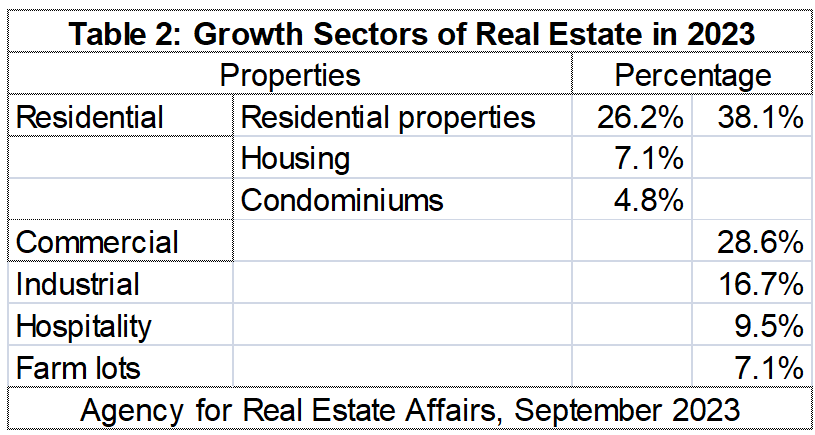 real estate in the philippines In recent years, the Philippine real estate industry has experienced rapid development. As one of the main drivers of the nation’s economic growth, real estate provides employment opportunities and an income stream to many Filipinos.
However, developers and property owners should know the challenges they may face before investing in real estate. To help you out, we’ve listed the opportunities and challenges in the Philippine real estate market, so read on. Opportunities High Demand for Affordable Housing One of the opportunities why you should invest in the Philippine real estate industry is the high demand for affordable housing. The continuous urbanization in the country led to the increasing demand for low-cost housing projects. Nonetheless, there’s a lack of economical housing in the country. That’s why developers who can handle and take advantage of this opportunity have a high chance of succeeding. Expansion of the BPO Sector In 2019, the Business Process Outsourcing (BPO) sector employed around 1.3 million Filipinos, growing by 8% to 10% annually. As the BPO sector continuously expands, the demand for office space also increases. The Philippines became a center for BPO companies, thanks to the competitive costs, beneficial environment for business, and knowledgeable and highly skilled workers. Thus, real estate developers should grab this opportunity by creating more office space. Growing Tourism Industry While tourism took a step back during the pandemic, the industry experienced significant growth in the past few years. Dubbed the “Pearl of the Orient Seas,” many tourists love the Philippines for its natural and picturesque landscapes, deep history, rich culture, and hospitable people. So, it’s no surprise that the Philippines attracts millions of tourists yearly. Whether you're a developer or entrepreneur, investing in the Philippine real estate market will generate long-term revenue. From hotels and resorts to condos and rental homes, these are some tourism-related infrastructures where you can invest your money. Rising Number of OFWs Apart from that, the rising number of Overseas Filipino Workers (OFWs) contributed a lot to the real estate market of the Philippines. Many OFWs are investing in real estate for their families or as a source of income, resulting in the increasing demand for vacation homes and rental properties. So, if you're planning to invest in the Philippine real estate industry, providing properties that cater to the needs of OFWs is expected to be successful. Challenges Competitive Market Like any other business, competition is an inevitable challenge that potential investors will face. Since many established developers and newcomers compete for a share of the Philippine real estate market, it will be difficult for novices or small-scale competitors to obtain a foothold. On the contrary, competition is common in profitable sectors, so knowing how to deal with it is vital. Insufficient Option for Affordable Financing Investing in real estate requires substantial capital. That’s why many developers look for economical financing to join the market. However, the Philippines offers insufficient options for affordable financing, making it more difficult for developers to obtain the required funds and invest in the market. Unlike established players, smaller developers often experience insufficient affordable financing options. Complicated Process to Obtain Property Titles Many developers experience complicated and time-consuming processes to obtain property titles. It is one of the reasons real estate developers can't proceed and efficiently facilitate their projects, causing delays and additional costs. Thus, real estate developers and investors should consider this problem before investing. Problems with Developing Infrastructure Infrastructure development affects the real estate industry, from public transportation to roads and bridges. But in the Philippines, developing infrastructure has always been slow and inconsistent. Many areas also don't have essential infrastructure to bolster real estate development. Hence, developers have to collaborate with the government to address this issue. Conclusion In summary, the Philippine real estate industry provides significant profit to developers and investors, given they acknowledge the opportunities and challenges in the market. Furthermore, addressing these challenges is possible by cooperating with the government and private sectors. Investors are also encouraged to look for alternative financing options to facilitate the project completion. By doing so, real estate developers and investors will most likely enjoy lucrative rewards in the long run. Real estate is one of the best investments you can put your hard-earned money. It's a solid and long-term investment that offers passive income opportunities. If it's your first time investing in the Philippine real estate market, it's crucial to research to know when and where to invest. It will allow you to understand the risks of investments and make a sound decision to ensure revenue.
So, if you’re eyeing to invest in Pearl of the Orient Seas, keep reading as we share the types of real estate investments in the Philippines. Buy and Sell In the Philippines, one of the top investments you can consider is buying houses and properties. It's a rewarding investment where you can enjoy the flourishing real estate market. This type of real estate investment in the Philippines will most likely provide significant profit and financial security in the long run. When you opt for this investment, it involves flipping properties. First, you'll purchase a low-cost property and fix it. Afterward, immediately resell it at a higher value to earn profit. Buy and Hold Another type of real estate investment in the Philippines is to buy and hold. This strategy involves buying a property and keeping it long-term. You can use or rent it out to earn profit. Once the value of the said property appreciates, you can sell it to generate revenue. Rental Properties Consider investing in rental properties if you're looking for a passive income. It involves renting or leasing residential, commercial, and vacation properties. From single-detached homes, apartment buildings, vacation homes, condominium units, and commercial or office space, these are the options you can choose from to invest in rental properties. Real Estate Investment Trusts (REITs) If you want to invest in diverse investments with less capital, opt for Real Estate Investment Trusts (REITs). With the help of REITs, you can purchase various properties since they will finance income-producing real estate. This type of investment is from the concept of mutual funds, involving numerous investors. It allows individual investors to generate returns from real estate investments. Most importantly, investors who choose REITs no longer need to buy, manage, or finance the properties, making it a less demanding investment option. Shared Ownership Properties Under this type of investment, qualified buyers or investors can share property ownership. Generally, the share of ownership is around 25% and 75%. Then, pay the remaining portion as rent, which can be a profit-generating investment. However, shared ownership properties require complex management. Therefore, we recommend looking for trustworthy partners for those who plan to invest in the Philippines through this strategy. Also, don’t forget to hire lawyers who will protect your investment interests. Co-op Investments For those who want to do business with a corporation, go for the co-op investments. With this strategy, you can purchase shares in a corporation with ownership of the whole building. If you choose this type of investment, owning shares will give you the right to reside in a unit within the building. On the other hand, this investment is not the same as traditional properties where you own a specific property or unit. Instead, co-op investments offer a stable revenue stream. Investors will also enjoy tax benefits. However, this strategy requires additional effort compared to other real estate investments. |
Archives
July 2024
Categories
All
|
 RSS Feed
Hi! Welcome to our website. Having an agent/broker on your real estate search is a gift because with or without them the price of the property is always the same. They give you FREE SERVICE and only pure service. On your part, everything is to gain. Claim your gift now! :)
meet your Real estate Broker Partner:

Roman Joe Anoso, RN, REB
Real estate Broker PRC license number: 19887
HLURB registration number: CAR-B-05/21-029
HLURB registration number: CAR-B-05/21-029

Baguio's top real estate broker Roman joe Anoso is grateful to serve you
Roman joe Anoso is a multi-awarded real estate broker, consistent Top #1 for 8 years to date, being recognized by the following companies:
Suntrust Properties, Inc.
- Overall Nationwide Top # 1 Real estate broker year 2018:
Vista Residences, Inc.
- Overall Nationwide Top # 1 Real estate broker year 2017:
Goshen Land capital, inc.
- Overall Nationwide Top # 1 Real estate broker year 2011 to 2016:
Suntrust Properties, Inc.
- Overall Nationwide Top # 1 Real estate broker year 2018:
Vista Residences, Inc.
- Overall Nationwide Top # 1 Real estate broker year 2017:
Goshen Land capital, inc.
- Overall Nationwide Top # 1 Real estate broker year 2011 to 2016:

PRC Licensed Real estate Broker Roman Joe Anoso

office address: REALS Corporation, Barangay Dontogan, Baguio city, 2600
personal: +63917-5645-863
viber/whatsapp: +63917-5645-863
add him on facebook (CLICK HERE)
office landline: 074-442-2353 (for clearer conversation)
email: [email protected]
skype: romankat2
website: www.realestatebaguio.com
personal: +63917-5645-863
viber/whatsapp: +63917-5645-863
add him on facebook (CLICK HERE)
office landline: 074-442-2353 (for clearer conversation)
email: [email protected]
skype: romankat2
website: www.realestatebaguio.com

official Real Estate Brokerage Website of REALS Corporation
for our affiliate program CLICK HERE
for our affiliate program CLICK HERE