
How to Divide Inheritance If Last Will and Testament Does Not Exist Have you recently discovered that the property you’ll be inheriting doesn’t have a last will and testament? You’re maybe wondering already how it will be divided among your siblings or other legal heirs. Don’t worry because we’ll be discussing how inherited properties are subdivided according to governing Philippine laws. Here are three rules to consider when dividing inheritance among legitimate heirs if there’s no last will left by the deceased owner. What Is Intestacy? If there’s no last will and testament, it is called intestacy. This concept will determine if there are creditors that are entitled to the inheritance. Meaning, if the deceased has creditors or people that he owes money, then the properties and money will be given to the creditors to pay the debt. For example, if the debt is 5 million pesos and 4 million pesos is the value of the properties, all the properties will go to the creditors. What Is Insolvent? If the family will not inherit anything from the properties of the deceased due to debts or liabilities, this is called insolvent. Meaning, the debts are higher than the combined value of all the properties left by the owner. Since there are more liabilities compared to the assets, the surviving spouse and children can’t do anything about it. The family must adhere to the law and should not insist their inheritance because there are debts to be paid. 3 Rules in Dividing Inheritance You already know about intestacy and insolvent, but what if the deceased left riches with no debts? Let’s say the value of the properties is 5 million pesos and there’s no spouse or children to get the inheritance. In this case, the relatives of the deceased will have the right to inheritance. For instance, the nearest relatives will inherit the properties. Let’s tackle these rules below: #1: Proximity/Consanguinity Rule Under this rule, the closest relative will have the legal right to inherit the properties and money left by the deceased if no direct heirs exist. This is also called the order of priority - direct descendants, ascendants, and down to collateral relatives or siblings. Another rule in Filipino inheritance is that the legal heirs will be determined from the family tree in a downward direction. Therefore, the parents will not inherit if the deceased has legitimate children to get the properties and other assets. Of course, the children are family of the deceased by blood as well as the parents are blood relatives. This is called consanguinity, meaning blood relatives will have the right to claim their inheritance. #2: Affinity Rule Now, if the deceased owner of properties has a spouse and legitimate children, the spouse will inherit also. In this case, the spouse is the only person to inherit by marriage, not by blood. The surviving spouse share is equal to the share of one legitimate child. Hence, the spouse and blood relatives or children will have equal parts in the properties, or 50-50 in case of one legal spouse and one legitimate child. #3: Legitimate vs Illegitimate Ratios Here, the illegitimate child is also entitled to half the share of a legitimate child according to the Civil Code of the Philippines. Final Thoughts No last will and testament? No problem. There are set of rules to determine who will get what once the property owner dies in the Philippines. If you have questions regarding inheritance, we can give you some sound advice. Moreover, you may also check out REALS.PH to find exclusive properties for sale in Baguio City and other growing provinces in the country.
0 Comments
Leave a Reply. |
Archives
October 2026
Categories
All
|
 RSS Feed
Hi! Welcome to our website. Having an agent/broker on your real estate search is a gift because with or without them the price of the property is always the same. They give you FREE SERVICE and only pure service. On your part, everything is to gain. Claim your gift now! :)
For the complete Property listings of REALS Corporation, click the button below:
Meet your Real Estate Broker Partner:

Roman Joe Anoso, RN, REB
Real estate Broker PRC license number: 19887
HLURB registration number: CAR-B-05/21-029
HLURB registration number: CAR-B-05/21-029

Baguio's top real estate broker Roman joe Anoso is grateful to serve you
Roman joe Anoso is a multi-awarded real estate broker, consistent Top #1 for 8 years to date.
Being recognized by the following companies:
Sta. Lucia Land, Inc.
- Overall Nationwide Top # 1 Real estate broker year 2024
Bangko Sentral ng Pilipinas
- Real Estate Broker with the Highest sale for the year 2023
Suntrust Properties, Inc.
- Overall Nationwide Top # 1 Real estate broker year 2018
Vista Residences, Inc.
- Overall Nationwide Top # 1 Real estate broker year 2017
Goshen Land capital, inc.
- Overall Nationwide Top # 1 Real estate broker year 2011 to 2016
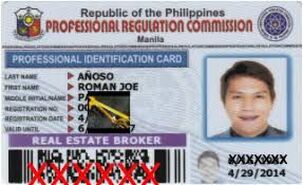
PRC Licensed Real estate Broker Roman Joe Anoso
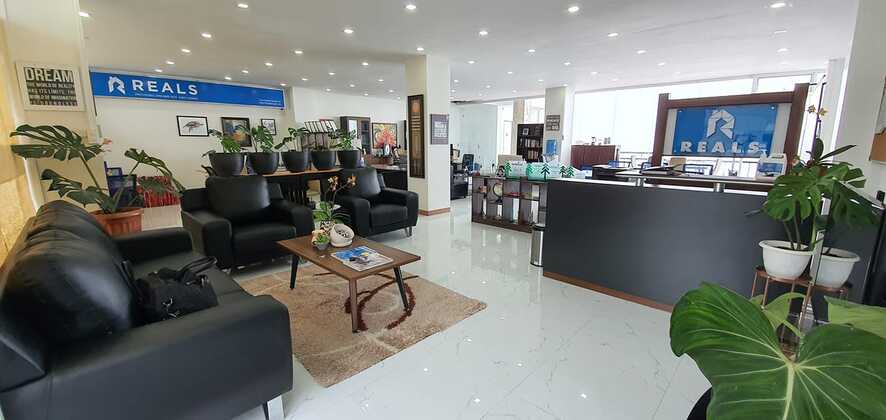
office address: REALS Corporation, Barangay Dontogan, Baguio city, 2600
personal: +63917-5645-863
viber/whatsapp: +63917-5645-863
add him on facebook (CLICK HERE)
office landline: 074-442-2353 (for clearer conversation)
email: [email protected]
skype: romankat2
website: www.realestatebaguio.com
personal: +63917-5645-863
viber/whatsapp: +63917-5645-863
add him on facebook (CLICK HERE)
office landline: 074-442-2353 (for clearer conversation)
email: [email protected]
skype: romankat2
website: www.realestatebaguio.com