
What If An Heir Sells the Whole Property Without Co-Heirs’ Consent? In the Philippines, selling properties without the concerned parties’ consent is a common problem among families. If you listen to public service and action programs on television, a handful of complaints are related to illegal property selling. So, what do you do when a co-heir sells the entire property without your knowledge? Let’s break down the laws governing co-ownership rights in the Philippines and what you can do in case your sibling or relative sells the inherited property without your consent. What Are Co-Ownership Rights? A property that is still under the name of your father or grandfather, a common case in the Philippines, means it’s part of the estate when he passed away. Under Article 777 of the Civil Code, when an owner passes away, the rights automatically go to the legal heirs. Meaning, the property is co-owned by the children or siblings. Therefore, no one can put the property on mortgage without the consent of all the co-owners. Can You Mortgage an Inherited Property? Under Article 493, an heir can only mortgage their own share in the inheritance, such as a subdivided lot. If a co-owner mortgaged the entire property without the consent of other heirs, it will only be valid as to his share while invalid as to the shares of other siblings. There could be penalties if other heirs bring the matter to the court. Now, what if the land title has already been given to the buyer? If the title has been transferred without the other heirs’ knowledge, it’s important to understand how it happened. Check if there’s an absolute sale or Deed of Donation made without the consent of the heirs. If so, an annulment of contract can be established under Article 1397 with the help of a legal counsel. If there was an actual sale of the mortgaged property, it violates Article 2088 since it was sold to another party. And if the signatures of the heirs are incomplete, the sale of the whole property was not valid in the first place. Under Article 1620-1623, other heirs can pursue their rights to the property, or what is called legal redemption. Reconveyance of Property Title The heirs who did not consent to the sale of the property can file an annulment or reconveyance of property. They can assert their co-ownership rights and annul the sale or mortgage since they did not know the transaction that happened. Under Article 493, the sale or mortgage of the property is only binding to the share of the heir who sold it. The heirs can then redeem the property or file a petition for partition to determine the exact share for each legal heir. Final Thoughts When it comes to co-ownership rights, all heirs must have consent in the sale or mortgage of an inherited property in the Philippines. Also, there are laws that protect co-ownership rights to ensure that all legal heirs get their fair share of inheritance. You can message us if you have questions regarding these matters. Or visit REALS.PH for our latest property listings in the Philippines, including Baguio house for sale and other properties up north.
0 Comments
Leave a Reply. |
Archives
October 2026
Categories
All
|
 RSS Feed
Hi! Welcome to our website. Having an agent/broker on your real estate search is a gift because with or without them the price of the property is always the same. They give you FREE SERVICE and only pure service. On your part, everything is to gain. Claim your gift now! :)
For the complete Property listings of REALS Corporation, click the button below:
Meet your Real Estate Broker Partner:

Roman Joe Anoso, RN, REB
Real estate Broker PRC license number: 19887
HLURB registration number: CAR-B-05/21-029
HLURB registration number: CAR-B-05/21-029

Baguio's top real estate broker Roman joe Anoso is grateful to serve you
Roman joe Anoso is a multi-awarded real estate broker, consistent Top #1 for 8 years to date.
Being recognized by the following companies:
Sta. Lucia Land, Inc.
- Overall Nationwide Top # 1 Real estate broker year 2024
Bangko Sentral ng Pilipinas
- Real Estate Broker with the Highest sale for the year 2023
Suntrust Properties, Inc.
- Overall Nationwide Top # 1 Real estate broker year 2018
Vista Residences, Inc.
- Overall Nationwide Top # 1 Real estate broker year 2017
Goshen Land capital, inc.
- Overall Nationwide Top # 1 Real estate broker year 2011 to 2016
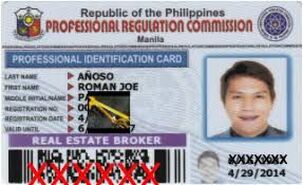
PRC Licensed Real estate Broker Roman Joe Anoso
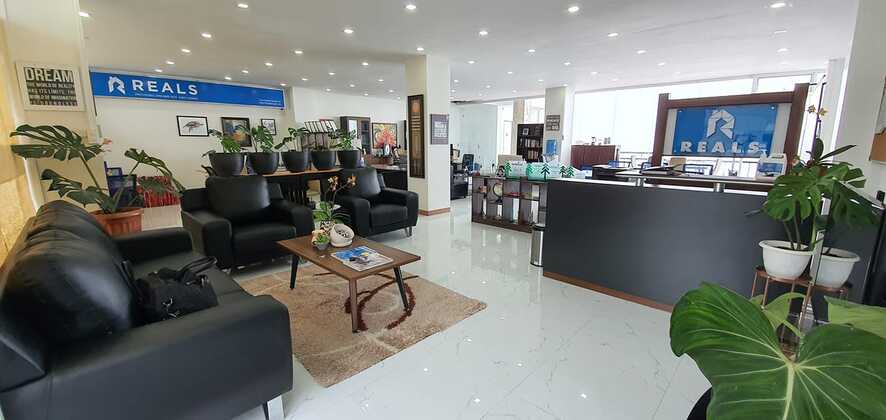
office address: REALS Corporation, Barangay Dontogan, Baguio city, 2600
personal: +63917-5645-863
viber/whatsapp: +63917-5645-863
add him on facebook (CLICK HERE)
office landline: 074-442-2353 (for clearer conversation)
email: [email protected]
skype: romankat2
website: www.realestatebaguio.com
personal: +63917-5645-863
viber/whatsapp: +63917-5645-863
add him on facebook (CLICK HERE)
office landline: 074-442-2353 (for clearer conversation)
email: [email protected]
skype: romankat2
website: www.realestatebaguio.com