
E-Notarization Is Officially Available for Philippine Government and Business Transactions The Philippines is now implementing digital transactions, including e-notarization. While this is a big milestone for Filipinos, the challenge remains on the country’s effectiveness in securing, verifying, and preserving digital legal documents. Is this really a goodbye to paper documents? How will e-notarization be done and who will benefit from this the most? Let’s know the answers in this short guide to digitization of transactions in the Philippines. What Is the Electronic Notarization? In 2025, the Supreme Court finally approved the Rules on Electronic Notarization. However, the eNotarization portal for Electronic Notary Public commissions was officially launched for applications just this August. The digitization of government and business transactions in the Philippines is giving Filipinos a silver lining for better and more convenient processing of legally binding documents. One of the objectives is to complete digital transactions that have been stuck for a long time. Now, Twala is the Electronic Notarization Facility accredited by the Supreme Court to provide online notarization services in accordance with the rules. The system allows e-notarization for acts like oaths and affirmation, signature witnessing, jurats, and acknowledgments. Benefits of E-Notarization Despite the availability of electronic notarization services, it’s important to know that traditional paper notarization is still valid. Let it also be known that notarial wills and depositions don’t include in the electronic system. Nevertheless, time is the biggest advantage of e-notarization in Philippine government and business transactions because Filipinos no longer have to wait in lines. The benefits include faster delivery of documents, less printing, and fewer trips to government offices. The challenge, however, is the capacity of the digital notary to handle large-scale data. According to the rules, accredited Electronic Notarization Facilities should be designed to automatically transmit e-notarized documents, support long-term archiving, and sync digital notarial books. Risks of Electronic Notarization In case of failure in digital trust, there are potential downsides to watch out for the government. For instance, quantum computing always comes with certain risks if not properly maintained. Cybersecurity threats are just lurking in the corners of the internet, ready to launch an attack on the database. Under the rules of the Supreme Court, safety measures must be implemented, including biometric recognition, electronic KYC, anti-spoofing features, and liveness detection. Final Thoughts E-notarization is part of the country’s goal to build a new digital trust infrastructure that will serve Filipinos and make legal processing more convenient. It is expected to change how we conduct business and government transactions. If it succeeds, every Filipino wins as well as government agencies and businesses that rely on the functionality of electronic notarization and other digital services. If you have questions regarding e-notarization for your real estate investment, kindly send us a message so our licensed agents can guide you. You may also check out REALS.PH for our exclusive listings of prime commercial property for sale in Baguio City and other key areas nationwide.
0 Comments
Leave a Reply. |
Archives
August 2026
Categories
All
|
 RSS Feed
Hi! Welcome to our website. Having an agent/broker on your real estate search is a gift because with or without them the price of the property is always the same. They give you FREE SERVICE and only pure service. On your part, everything is to gain. Claim your gift now! :)
For the complete Property listings of REALS Corporation, click the button below:
Meet your Real Estate Broker Partner:

Roman Joe Anoso, RN, REB
Real estate Broker PRC license number: 19887
HLURB registration number: CAR-B-05/21-029
HLURB registration number: CAR-B-05/21-029

Baguio's top real estate broker Roman joe Anoso is grateful to serve you
Roman joe Anoso is a multi-awarded real estate broker, consistent Top #1 for 8 years to date.
Being recognized by the following companies:
Sta. Lucia Land, Inc.
- Overall Nationwide Top # 1 Real estate broker year 2024
Bangko Sentral ng Pilipinas
- Real Estate Broker with the Highest sale for the year 2023
Suntrust Properties, Inc.
- Overall Nationwide Top # 1 Real estate broker year 2018
Vista Residences, Inc.
- Overall Nationwide Top # 1 Real estate broker year 2017
Goshen Land capital, inc.
- Overall Nationwide Top # 1 Real estate broker year 2011 to 2016
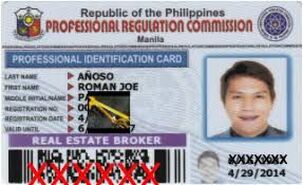
PRC Licensed Real estate Broker Roman Joe Anoso

office address: REALS Corporation, Barangay Dontogan, Baguio city, 2600
personal: +63917-5645-863
viber/whatsapp: +63917-5645-863
add him on facebook (CLICK HERE)
office landline: 074-442-2353 (for clearer conversation)
email: [email protected]
skype: romankat2
website: www.realestatebaguio.com
personal: +63917-5645-863
viber/whatsapp: +63917-5645-863
add him on facebook (CLICK HERE)
office landline: 074-442-2353 (for clearer conversation)
email: [email protected]
skype: romankat2
website: www.realestatebaguio.com