
Potential Effects of Pax Silica to PH Property Market With the ongoing talks regarding the construction of Pax Silica in the Philippines, the big question now is where will the next real estate prime hub be. Experts say that buyers and investors may be looking past the condominiums in Metro Manila, and would rather consider a new property outside the city capital. Let’s see how will Pax Silica stir the pot and where will it lead the next property boom for both local and foreign investors. Next Property Investment Hotspots Recently, there are observations that property buyers are increasingly exploring opportunities outside Metro Manila. And with the possibility of building Pax Silica in the country, industrial real estate may emerge and boom in Central Luzon. With rental yields weakening, buyers and investors reconsider buying condos in the capital region. In fact, launches and completion of condominium buildings become less amid the oversupply. On the other side of things, big developers are launching projects beyond Manila to answer the demand for lot-only and house-and-lot properties. This broader shift shows that investors are choosing lots in nearby provinces instead of another condo unit the the metro. For instance, a lot of buyers are opting for emerging real estate hubs like Cebu, Batangas, Bacolod, and Bulacan. Why Investors Are Skipping Metro Manila Obviously, Metro Manila still carries a substantial condo oversupply from the previous years. According to Colliers’ Second Quarter of 2026 report, residential vacancy in the capital went up to 24.9%, while the bay Area peaked at 58% - expecting the residential vacancy rate to even reach 25.6% this year. Currently, there are about 30,000 unsold condos in Metro Manila. The good news is that, demand is still moving and hasn’t disappeared. However, the end-user demand is much stronger outside Manila and may even soar in areas with lot-only and house-and-lot projects, such as Cebu, Laguna, and Cavite. Soon, industrial and commercial property demand may match this residential demand shift. And yes, the transition from condominium investment to industrial investment is happening. Pax Silica is expected to accelerate this transformation, as manufacturing hubs and industrial facilities will be built in New Clark City. If these manufacturing investments happen, industrial parks, worker housing, factories, and logistics facilities will likely follow. It is projected to generate around 130,000 high-quality jobs and position the Philippines as an advanced-manufacturing hub in Asia. Final Thoughts Whether you’re planning to move out of Metro Manila or simply looking for the next commercial investment, exploring opportunities around Pampanga or Central Luzon is a good starting point as it is the target location for Pax Silica. If this project materializes, there will be more commercial and industrial real estate opportunities for investors. You can check out REALS.PH for the best properties for sale around these areas. We also have exclusive listings for Baguio properties for sale if you want to enjoy the laid-back living outside the capital region.
0 Comments
E-Notarization Is Officially Available for Philippine Government and Business Transactions The Philippines is now implementing digital transactions, including e-notarization. While this is a big milestone for Filipinos, the challenge remains on the country’s effectiveness in securing, verifying, and preserving digital legal documents. Is this really a goodbye to paper documents? How will e-notarization be done and who will benefit from this the most? Let’s know the answers in this short guide to digitization of transactions in the Philippines. What Is the Electronic Notarization? In 2025, the Supreme Court finally approved the Rules on Electronic Notarization. However, the eNotarization portal for Electronic Notary Public commissions was officially launched for applications just this August. The digitization of government and business transactions in the Philippines is giving Filipinos a silver lining for better and more convenient processing of legally binding documents. One of the objectives is to complete digital transactions that have been stuck for a long time. Now, Twala is the Electronic Notarization Facility accredited by the Supreme Court to provide online notarization services in accordance with the rules. The system allows e-notarization for acts like oaths and affirmation, signature witnessing, jurats, and acknowledgments. Benefits of E-Notarization Despite the availability of electronic notarization services, it’s important to know that traditional paper notarization is still valid. Let it also be known that notarial wills and depositions don’t include in the electronic system. Nevertheless, time is the biggest advantage of e-notarization in Philippine government and business transactions because Filipinos no longer have to wait in lines. The benefits include faster delivery of documents, less printing, and fewer trips to government offices. The challenge, however, is the capacity of the digital notary to handle large-scale data. According to the rules, accredited Electronic Notarization Facilities should be designed to automatically transmit e-notarized documents, support long-term archiving, and sync digital notarial books. Risks of Electronic Notarization In case of failure in digital trust, there are potential downsides to watch out for the government. For instance, quantum computing always comes with certain risks if not properly maintained. Cybersecurity threats are just lurking in the corners of the internet, ready to launch an attack on the database. Under the rules of the Supreme Court, safety measures must be implemented, including biometric recognition, electronic KYC, anti-spoofing features, and liveness detection. Final Thoughts E-notarization is part of the country’s goal to build a new digital trust infrastructure that will serve Filipinos and make legal processing more convenient. It is expected to change how we conduct business and government transactions. If it succeeds, every Filipino wins as well as government agencies and businesses that rely on the functionality of electronic notarization and other digital services. If you have questions regarding e-notarization for your real estate investment, kindly send us a message so our licensed agents can guide you. You may also check out REALS.PH for our exclusive listings of prime commercial property for sale in Baguio City and other key areas nationwide.
How Will the Metro Subway Impact the Property Market in Manila Location has always been a crucial factor in real estate, especially in Metro Manila market. And that’s because transportation network plays a key role in the value of a location. Properties that are close to major transportation hubs are considered prime estates due to the reduced commute time they offer. Now, what will be the impact of the new Metro Manila subway in the capital’s real estate industry? What Is the Metro Manila Subway? The ongoing construction of Metro Manila subway involves a 33.1-kilometer underground railway that features 17 stations from Valenzuela to NAIA. It links major areas of Taguig, Pasig, and Quezon City, making it more convenient to commute around the metro. When it becomes operational, travel time from QC to NAIA will only take around 35 minutes, while it is designed to accommodate up to 1.5 million passengers everyday. Meanwhile, the impact of this new subway doesn’t only revolve around transportation. The real estate market will also benefit from this major change as businesses, developers, tenants, and buyers will draw interest in buying properties within the area. Apart from the established business districts in the metro, the subway will surely introduce another prime location where properties are more accessible and predictable. Premium Real Estate in the Making One of the top location considerations that buyers make nowadays is the proximity to transit hubs. The new subway will be a game-changer as it cuts significant amount of travel time within the metro. Owning a condo, for instance, that is only a few minutes away from a subway station is a great advantage for the working class. Hence, commercial developments, office buildings, and condominiums near the subway will become a top choice for buyers and investors. Quezon City will be a major beneficiary of this project since connectivity will improve, particularly in Anonas, East Avenue, Tandang Sora, North Avenue, and Quezon Avenue. Apparently, North Avenue may become the largest transit node in Metro Manila. The much improved connectivity is expected to boost residential, institutional, mixed-use, and commercial developments around the city. While certain areas may already have developed commercial and residential markets, the completion of the subway will fuel redevelopment and a much stronger real estate demand. Even low-density properties that are close to stations may become a prospect for high-density development. Final Thoughts The completion of the Manila subway will become an integral part in the redevelopment of the real estate market in the metro. Considering an investment in one of the cities near these stations can be a potential money-maker for home buyers and investors alike. However, if you’re planning to buy a property beyond the capital, you can find excellent alternatives in REALS.PH, including strategically located condominiums in Baguio City that are near transportation hubs. We have a plethora of property listings that you can explore for your next real property investment in the Philippines.
Is Your Philippine Home Ready for the Upcoming El Nino Weather? The upcoming El Nino 2026 may be the strongest in history, possibly influencing storm patterns, temperatures, and even rainfall. Every country may encounter different risk levels, therefore it’s important to prepare for the worst weather. In the Philippines, strong typhoons are annual threats but could be more threatening due to a hotter climate. Now, what are you supposed to do ahead of the Super El Nino phenomenon? Tips to Prepare for Super El Nino For homeowners, a basic house maintenance for El Nino preparation is a good starting point. Make sure your house is prepared for any changes in weather conditions. Since this phenomenon occurs when the temperatures of the ocean become warmer than normal, this could greatly affect the weather across the Philippines. According to experts, here’s how you can prepare for the El Nino weather:
Final Thoughts Every year, the effects of El Nino weather vary depending on its severity. Therefore, good preparation is a must to lessen the risks to life and properties. Check all the lines of defense of your home, build an emergency plan for the family, get a home insurance, and protect electrical systems from flooding. A safe home is the best place for your loved ones, just like the ones in our property listings at REALS.PH website. We have different types of properties for sale, including modern house for sale in Baguio City. Visit our site today and explore your options for the best property you can invest in.
Majority of Philippine Real Estate Complaints Now Due to Unlicensed Property Sellers The real estate scam crackdown continues as the government remains full-force in strengthening its policies, especially when it comes to registration and licensing. Recently, the Department of Human Settlements and Urban Development reported that unlicensed brokers, unlicensed resellers, and property sellers with expired licenses are the major reasons why real estate complaints are increasing right now. Rising Cases of Unauthorized Property Selling After saying that the biggest complaints right now regarding real estate selling is due to unlicensed salespersons and brokers, DHSUD reiterated that it will be harder for them to protect buyers from unregistered sellers across the country if they choose to transact with these fraudulent people. They explained that DHSUD cannot go after property dealers that are not properly registered. Under the law, condominium and subdivision projects are required to register and get a license from DHSUD before the selling of units. In addition, this government department keeps all records of registered brokers and sellers as well as licensed projects nationwide. However, it’s another challenge to expose fake paperwork that looks legitimate for unsuspecting home buyers. How to Avoid Illegal Property Selling Tampered documents, fake titles, and other illegal paperwork seem to deceit a lot of home buyers in the Philippines. Bad actors do it so well, making innocent buyers fall victim to their scams. In this case, it’s crucial to seek help from the agency to validate these documents before signing the Deed of Sale. Also, you can verify the land title by visiting the Land Registration Authority yourself. For a more rigorous campaign against scammers in real estate, DHSUD is now working closely with the NBI, DOJ, and PNP to implement a whole-of-government crackdown. Illegal real estate sellers who make transactions without following the regulations will be sanctioned by DHSUD, including registered sellers who violates the regulatory system. Cease-and-desist orders and other notices of violation will be implemented by prosecution and law-enforcement agencies. Furthermore, the crackdown aims to achieve faster housing as DHSUD tries to make things smoother for property developers to deliver projects right to the market. For instance, the issuance of temporary License to Sell helps property developers to accomplish the requirements throughout the one-year validity of the license. Apart from that, DHSUD also secures registration for both condo and subdivision developments, so buyers can guarantee their credentials and project completion. Final Thoughts The goal is clear and that is for DHSUD to make legal housing faster and easier to sell. At the same time, make it difficult for scammers and unlicensed sellers to victimize prospective buyers. The key is to verify the background of the seller even before making payments. To ensure you are transacting with legal real estate brokers, visit REALS.PH for our updated listings, including subdivision lots for sale in Baguio City. Our licensed real estate agents will give you thorough guidance to ensure you are making the right investment choice.
Can Buyers Refund Their Money If Developers Failed to Keep Their Promises Did you know that the Supreme Court can order real estate developers to refund their buyers and pay for exemplary damages in case they don’t stick to the agreement. There are many instances that developers fail to deliver what they promised their clients. If this is your case, you can file a complaint in the court so you can get a reimbursement or refund from your developer. Let’s take a closer look on how you can get a refund if the developer didn’t fulfill what’s in the contract. What Are the Grounds for Reimbursement? If a real estate developer and a buyer enters into a mutual obligation using a written agreement or contract, both parties must fulfill that obligation. For example, the buyer’s obligation is to pay a reservation fee while the developer should issue a Contract to Sell. In case one party failed to do what they have agreed upon, there can be legal consequences. Let’s say you have already paid for the reservation fee and even made additional payments for the property. However, the developer did not release the Contract to Sell they promised to give you. Now, that failure to issue a Contract to Sell can be a ground for refund or reimbursement. Just make sure that it was a written agreement and duly signed. Reciprocal Obligations and Rescission Under Article 1191 of the Civil Code, the Supreme Court considers rescission in handling reciprocal obligations in the Philippines. Furthermore, Article 1385 reiterates that rescission makes the responsibility to return any objects involved in the said agreement. To put it simply, parties entering into reciprocal obligations must comply or else, the party who failed will be obliged to return whatever was given under the contract, such as payments made. While the lower courts can exclude exemplary damages, the high court may emphasize the right action which is to return payments to the buyer. This is particularly applicable for parties that committed fraudulent, oppressive, reckless acts towards another party. The Supreme Court underscores the importance of imposing damages to discourage socially undesirable behavior. Rather, damages are imposed to reshape conduct through negative incentives. If you qualify of filing a case under these circumstances, you may do so no matter how long it already had been when you’ve encountered a fraudulent developer in the Philippines. Final Thoughts Now you know what to do when your developer doesn’t comply with what you have agreed in the contract. Make sure to talk to your legal counsel on what specific steps to take to recover the money you’ve paid as well as other damages. This is why it’s always important to transact with legal developers only. You can visit REALS.PH for our exclusive listings of properties for sale in and around the Philippines, including house and lot in Baguio City. Rest assured that we only work with legitimate developers that are trusted by many, especially home buyers and investors.
Property Owners’ Rights According to the Civil Code of the Philippines Owning a property comes with a number of legal responsibilities, including paying taxes. Apart from that, it’s important to understand your legal rights as a property owner to maximize the potential of your real estate investment. If you’re still not aware of these rights of owning a property here in the Philippines, read this guide to learn about ownership legalities as well as its legal limitations. What Are the Rights of Property Owners in PH? If you own a property and is not aware of your rights, it’s about time you learn about it. Under the Civil Code of the Philippines, every property owner has the right to use and possess it, enjoy and sell it, regain ownership from illegal settlers, gather all benefits from it, and restrict access to others. Once you understand how all these core rights function, you can live happily in your property with your loved ones. Here are the main ownership rights that you can practice as the owner of a Philippine property:
Limitations to Ownership Rights While there are substantial rights for property owners to enjoy and benefit from, there are also restrictions that they should respect and follow. For instance, the State still regulates the use of any properties to promote public safety, morals, health, and overall well-being without giving compensations. In terms of zoning and easements, there are local zoning ordinances, legal easements, and building codes that must be followed regarding the use of property. Moreover, the government may also acquire a private property to carry out public projects as long as the owner is properly compensated. More importantly, owners must settle their annual taxes to avoid penalties and getting their properties auctioned by the government. Final Thoughts Property ownership grants an individual the authority to use, control, or transfer the property to legal heirs or buyer. With every right also comes the limitations that must be followed to fully enjoy the benefits of being an owner. If you’re looking for the next property to own, you can log onto REALS.PH for our exclusive listings of properties for sale in the Philippines, including some condominiums for sale in Baguio City. We can’t wait to assist you with your next investment and provide you with all the information you need to make the best choice.
Understanding the Real Estate Service Act or Republic Act No. 9646 Buying a house in the Philippines involves a huge budget, so homebuyers should practice due diligence when transacting with property sellers or developers. Good thing the government is taking active measures to combat illegal transactions through the creation of the Real Estate Service Act of the Philippines. In this short guide, you will learn what the RESA law is all about and its implications to the real estate profession in the country. What Is the Real Estate Service Act or RA 9646? The Real Estate Service Act of the Philippines, or RESA Law in short, was created to regulate the real estate profession in the country and ensure that all practicing real estate professionals are duly licensed. Under Republic Act No. 9646, the rights of real estate professionals are protected. The RESA Law covers all acts pertaining to real estate services as well as the penalties incurred for committing such violations. Moreover, this law also specifies the qualifications of any individual practicing the profession. The objective is to prevent malpractices, including those freelance illegal property sellers and colorum agents. Meanwhile, even before the creation of the RESA Law, real estate brokers applied for license with the Department of Trade and Industry. Now, the agency that regulates real estate professionals is the Professional Regulation Commission where applicants will take the Real Estate Broker Licensure Examination to become eligible. Who Are Real Estate Service Practitioners? Under RA No. 9646 - Section 27, a person is considered engaging in the practice of real estate service when any single transaction or act in the provisions is performed, such as selling a property. Hence, real estate service practitioners include real estate consultants, real estate assessors, real estate appraisers, real estate salespersons, and real estate brokers. In case RA 9646 has been violated by any of these considered real estate service practitioners, penalties will be given. For instance, guilty licensed real estate professionals will be fined with not less than PHP 100,000 or two years of imprisonment. Unlicensed offenders, on the other hand, will incur double penalty of PHP 200,000 fine or four years of imprisonment. Those who are exempted from this law are real property owners, trustees under insolvency proceedings or bankruptcy, duly constituted attorneys or persons acting under court orders, and public officers performing such acts as part of their duties. Final Thoughts With the combined efforts of the government and concerned agencies, the Philippines is yet to witness a real estate industry that is free from illegal practices and unfair systems. Filipino homebuyers and investors deserve honest and transparent treatment from real estate service professionals, especially from licensed brokers. As the leading brokerage company in Baguio, REALS.PH is committed to providing excellent service to property owners, buyers, and sellers. Visit our page for our latest listings of houses for sale in Baguio City and other emerging prime locations in the country.
House Bill No. 10808 Seeks for 2-Year Suspension of Property Valuation Law in the Philippines8/12/2026 Is the 2-Year Suspension of Philippine Property Valuation Law Already Implemented? The two-year suspension of the Real Property Valuation and Assessment Reform Act implementation has been filed by Marikina 2nd District Representative Miro Quimbo. Under the proposal, the main advantage of House Bill No. 10808 is to shield business and property owners from sudden tax increases and government charges. Now, let’s discuss this new house bill to better understand the benefits of this suspension once implemented. What Is House Bill No. 10808? The House Bill No. 10808 seeks to suspend the implementation of new Schedules of Market Values as well as the general property assessments to ease the burden from taxpayers due to current economic conditions. However, this proposal doesn’t reject the key provisions under RPVARA. That being said, the bill will continue to implement consultations, capacity-building, and data collection while agencies evaluate the fiscal and economic impact of the new valuation system. Timing, Not Rejection of Reforms The legislator clarified that the house bill filed is not a rejection or abandonment of the key provisions but rather, it’s more about proper timing. With economic disruption already burdening taxpayers, it would be an additional hardship to implement a policy that increases taxes. The house bill will still continue despite the two years of suspension, this applies to zonal values, existing SMVs, assessed values, and other valuation bases. Moreover, the proposed measure aims to make sure no taxpayers will have to settle higher local or national taxes and charges according to the updated SMVs. As a part of the tax reform agenda, this measure will significantly relieve Filipino business and property owners from unreasonable burdens, such as paying excessive fees. The key is balancing revenue reforms in order to help ordinary Filipinos build a better life. Adding more to the burden of Filipinos in this economy may not be the best option. Modernizing the property valuation system doesn’t necessarily need to impose sudden increases in taxes and fees. Businesses, property owners, and ordinary Filipino families need this proposed measure now more than ever. Relief and protection for taxpayers are more important than raising revenues. The goal is to build a tax system that is fair to everyone and responsive to the needs of the Filipinos. So it’s not a rejection but rather a better timing for realignment. Final Thoughts With the proposal of RPVARA suspension of its implementation for two years, business and property owners can take a break from additional financial burdens. Under House Bill No. 10808, taxpayers will be protected from sudden tax increases and other fees based on the new valuation system. If you have questions regarding property valuation, you can send us a message via REALS.PH Facebook page. You may check out our property listings, including homes for sale in Baguio, to find your next real estate investment in the Philippines.
Do Ancestral Lands Legally Belong to the Indigenous People? Understanding the rights of indigenous people to their ancestral domain has long been an issue in the Philippines. In many instances, IPs were forced to leave ancestral lands so the government can build infrastructures. If you’re thinking this is unfair, let’s try to weigh in the rights of the IPs and the government over an ancestral domain that has served as homes to IP communities for the longest time. What Is the Indigenous Peoples' Rights Act of 1997? The Indigenous Peoples’ Rights Act of 1997 states that self-delineation will be the guide in determining and delineating all ancestral domains. In accordance, indigenous people and indigenous cultural communities will help decide in any activities involved in the process. Another important factor in determining traditional territories is the Sworn Statement of the Elders regarding the scope and pacts or any agreements with neighboring IPs or ICCs. The government, on the other hand, will consider all means to determine which lands or territories the involved IPs or ICCs traditionally occupy. At the same time, the government should assure to protect their rights of possession and ownership. Ancestral domains or lands that IPs or ICCs may own will cover its total environment, including the cultural and spiritual bonds to said areas they occupy, use, and possess, not just its physical environment. Indigenous Ownership Defined When it comes to ownership, the indigenous concept refers to ancestral domains being a private but community property of IPs or ICCs. Hence, these ancestral lands belong to all generations and cannot be disposed, sold, nor destroyed. Also covered in the indigenous concept of ownership are the sustainable traditional resource rights of ICCs or IPs. Simply put, the rights of IPs or ICCs to their ancestral domains include ownership over bodies of water, lands actually and traditionally they occupy, traditional fishing and hunting grounds, sacred places, and any improvements made on the land. They also have the right to develop natural resources under the preexisting property rights in the ancestral lands. The only exception for their right to live within the said territories is when IPs have given their full consent, which is under the power of eminent domain. In case they will be displaced due to natural catastrophes, they have the right to resettlement in suitable locations. Other rights include the regulation of migrant entry, clean air and safe drinking water, reservations claim, and conflict resolution based on governing customary laws. Final Thoughts Indigenous peoples in the Philippines have certain rights to ancestral land ownership that must be respected under the law. More than anything else, they have the right to preserve their roots and continue their legacy through the next generations. If you’re looking for properties with cultural and traditional heritages, check out REALS.PH for our exclusive listings of house for sale in Baguio City. We have a wide array of beautiful homes and modern properties that you will surely consider investing in because why not.
|
Archives
August 2026
Categories
All
|
 RSS Feed
Hi! Welcome to our website. Having an agent/broker on your real estate search is a gift because with or without them the price of the property is always the same. They give you FREE SERVICE and only pure service. On your part, everything is to gain. Claim your gift now! :)
For the complete Property listings of REALS Corporation, click the button below:
Meet your Real Estate Broker Partner:

Roman Joe Anoso, RN, REB
Real estate Broker PRC license number: 19887
HLURB registration number: CAR-B-05/21-029
HLURB registration number: CAR-B-05/21-029

Baguio's top real estate broker Roman joe Anoso is grateful to serve you
Roman joe Anoso is a multi-awarded real estate broker, consistent Top #1 for 8 years to date.
Being recognized by the following companies:
Sta. Lucia Land, Inc.
- Overall Nationwide Top # 1 Real estate broker year 2024
Bangko Sentral ng Pilipinas
- Real Estate Broker with the Highest sale for the year 2023
Suntrust Properties, Inc.
- Overall Nationwide Top # 1 Real estate broker year 2018
Vista Residences, Inc.
- Overall Nationwide Top # 1 Real estate broker year 2017
Goshen Land capital, inc.
- Overall Nationwide Top # 1 Real estate broker year 2011 to 2016
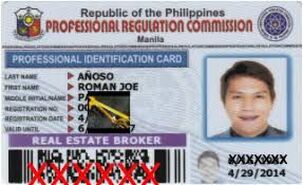
PRC Licensed Real estate Broker Roman Joe Anoso
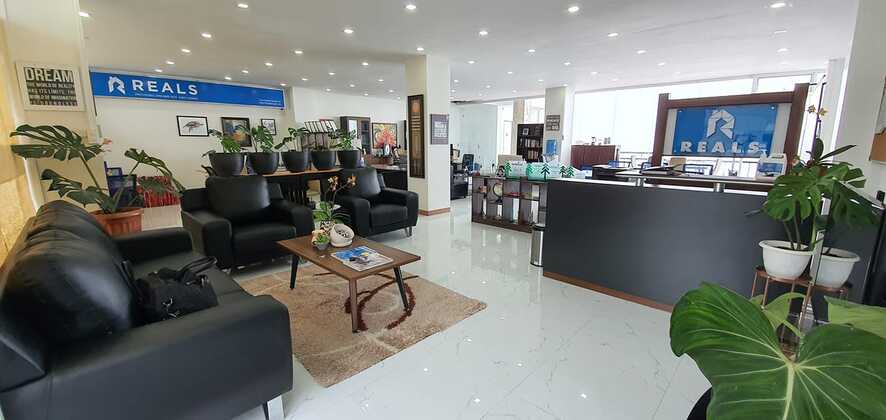
office address: REALS Corporation, Barangay Dontogan, Baguio city, 2600
personal: +63917-5645-863
viber/whatsapp: +63917-5645-863
add him on facebook (CLICK HERE)
office landline: 074-442-2353 (for clearer conversation)
email: [email protected]
skype: romankat2
website: www.realestatebaguio.com
personal: +63917-5645-863
viber/whatsapp: +63917-5645-863
add him on facebook (CLICK HERE)
office landline: 074-442-2353 (for clearer conversation)
email: [email protected]
skype: romankat2
website: www.realestatebaguio.com