
DHSUD Anti-Illegal Campaign Against Malpractices in Philippine Real Estate 2026 The Department of Human Settlements and Urban Development or DHSUD, together with other Philippine government agencies, strongly commits to stop illegal real estate practices in the country. This coordinated campaign aims to create more robust consumer protection policies, tougher enforcement, and closer collaboration between agencies to safeguard Filipino buyers and investors. What Is the Anti-Illegal Real Estate Practices? The 2026 Inter-Agency Meeting for the Anti-Illegal Real Estate Practices or AIREP was convened by DHSUD to bring together various departments, including the Department of Environment and Natural Resources, Land Registration Authority, Department of Interior and Local Government, Professional Regulatory Board of Real Estate Service, Philippine National Police, National Bureau of Investigation, Department of Justice, and other agencies with the main goal of fortifying the campaign against illegal real estate transactions. In essence, the inter-agency meeting tackled important issues that significantly affect Filipino homebuyers, OFWs, and low-income families. Common concerns that were discussed include double selling, unregistered contracts, unauthorized mortgages, illegal turnover fees, misleading advertisements, tampered land titles, illegal property sales, and other deceitful practices. Unlicensed real estate agents that offer too-good-to-be-true promotions and sketchy transactions have become prevalent in the country. Establishment of an Inter-Agency Task Force for AIREP Also in the agenda, the participants discussed the formation of an inter-agency task force to create an integrated system for referral and complaints intake. It also aims to institutionalize inter-agency data sharing as well as streamline coordination in verification, enforcement, and legal action. With these proposals, concerned agencies seek to improve transparency and prevent illegal real estate transactions. The creation of this proposed inter-agency task force will significantly protect buyers from fraudulent activities, especially from fly-by-night agents. In fact, DHSUD reaffirms their continuing efforts to protect consumers while upholding the rights of every Filipino homebuyer with active coordination among government agencies nationwide. If the inter-agency task force is successfully established, consumer protection will improve and property transactions will be protected every single time. As of now, these proposed measures is in the drawing board and once it is finalized, Filipinos will enjoy a better and more transparent real estate system. For OFWs, this means a lot since they are more vulnerable to scams as suspicious agents take advantage of their absence during important transactions. For low-income families, this also helps in securing their dream homes without being deceived. Final Thoughts With the strong commitment of DHSUD and other government agencies to protect consumer rights during real estate activities, homebuyers will benefit from a more secure, transparent, and fair transactions. Whether you’re buying a home for the first time or investing in the second one, ensuring that you are dealing with the right people is crucial. You can count on us when it comes to legit real estate transactions through REALS.PH property listings. We have the latest offers including house and lot for sale in Baguio City and other premium gated subdivisions across the Philippines.
0 Comments
Why Filipinos Should Keep Their Tax Declaration Up to Date There are many different uses of tax declarations in the Philippines that are all important for property owners and even home buyers. Transferring a property, for instance, will require all taxes paid before the new title can be processed. If you want to know more about why it’s important to keep your tax declaration up to date, read this article and understand the advantages of having it updated every year. What Tax Declaration Is Really For? A tax declaration is essential in property transfers, land improvement records, and real property tax assessments. National agencies and local government offices often use this as a requirement in managing real estate transactions. Here are the main uses of a tax declaration document in the Philippines:
Can You Buy Land with Tax Declaration Only? Buying a property in the Philippines with a tax declaration only can be problematic, therefore you must proceed with extra caution. Remember that a tax declaration is not a solid proof of ownership and can be questioned as evidence for possession. However, it’s a formal assessment document that is submitted to municipal, city, or provincial assessors for property value assessments. If you happen to buy a property with a tax declaration only, do your due diligence and check with the Registry of Deeds regarding the copy of original title. Make sure to talk to a lawyer or real estate professional before signing any agreements during property transfers. Don’t think that a tax declaration is enough proof of ownership. You may also work with a real estate agent to help you with the whole process. Final Thoughts Now you know how to properly use a tax declaration document during property transfers or assessments. Do not solely rely on this document, though, when buying a property as it’s not an official proof of ownership or possession. Check with the Registry of Deeds if the property you want to buy has not tax obligations and is indeed owned by the seller. You can send us your questions through our social media accounts or go straight to our website REALS,PH to find exclusive listings of house for sale in Baguio City as well as other properties nationwide.
Is It True That Condos Have a Limit of 50 Years in the Philippines? Have you heard about the 50-year limit on condominium units in the Philippines? Do you think this is true, and why would condo corporations impose this if it’s true? If you own a condo unit in Manila or Baguio, it’s important to understand the terms and conditions under your contract to clear out vague statements like this. So, let’s find the answer to whether the 50 years expiration is a fact or a myth for condo owners. Does Condo Ownership Expires After 50 Years? In the Philippines, a condominium doesn’t automatically disappear or expire after five decades of use. The condo title, share, and ownership remain under the owner’s name and rights. The 50-year limit, therefore, is a myth that is often misconstrued as a corporate rule based on building age. However, it may trigger a demolition memo based on strict legal terms. Under Republic Act No. 4726 or the Philippine Condominium Act, a condominium building is considered obsolete, therefore becomes subject to selling or demolition, after 50 years under these strict rules:
Condo Corporations and Shareholders After buying your condo unit, you are considered a shareholder in the condo corporation that owns the land. So you have a say in the renewal of the corporate lifespan as long as the building is still safe and repairable. Apparently, the confusion is caused by the old rules that give condo corporations 50 years of life. The corporation, however, can renew its lifespan and get another 50 years through majority of owners’ vote. According to the Revised Corporation Code, condominium corporations now get perpetual lifespan by default. This means that the 50 years expiration of condo ownership is not true and therefore should not discourage buyers and investors to acquire a condo unit in the Philippines. Final Thoughts There’s no such thing as 50 years expiration on condominiums unless otherwise backed by strict legal conditions, including safety concerns. Even if the building is demolished or sold, the corporation still owe you your share of the land. If you’re currently looking for a nice condo unit in Baguio City, visit REALS.PH for our exclusive listings in major locations across the Philippines. You may also send us your inquiries so our trusted real estate agents can give you immediate response through our social media channel and through the website.
Safest Investments For Filipinos Looking to Build Passive Income If you’re looking for long-term investment opportunities in the Philippines, there are safest options to choose from. Conservative bank deposits and government-backed securities are primarily some of the safest investments, especially for beginners. However, choosing the right investment vehicle depends on your goals in the long run. Check out in this guide the best investments you can try this year and see which works for you. Pag-IBIG MP2 Savings Program Let’s start with the most popular savings option right now among Filipinos who want to grow their hard-earned money in just five years. This voluntary savings facility by the Philippine government offers a 5-year maturity period. The annual dividends you earn are tax-free and typically higher than that of regular bank savings. You can start with PHP 500 per contribution and withdraw your savings after five years. Corporate and Government Bonds Through authorized digital wallets and banks, you can choose from a variety of bonds you want to invest in. The most popular choice is the GBonds that’s available on the GCash e-wallet app. Bonds investment involves investors lending money to established corporations or the government to earn fixed returns. Digital Savings Accounts There are plenty of high-yield digital savings banks you can choose from, including CIMB, Tonik, and UNO Bank in the Philippines. These digital-first banks are regulated by the Bangko Sentral ng Pilipinas so you are guaranteed safe to invest your money. Unlike traditional savings banks, they offer higher interest rates and maintain PDIC insurance when you save up to PHP 500,000 in your account. Time Deposits Putting your savings on a time deposit will give you a guaranteed interest for a particular period, such as 30 days or 3 years. Rest assured that your money is in good hands because these banks are regulated by the government. In addition, deposits up to PHP 500,000 are insured by PDIC, making it all worth it to lock in your money within a set period. Retail Treasury Bonds RTBs are almost risk-free as they are issued by the Philippine Bureau of the Treasury. More often than not, the minimum investment is PHP 5,000 while the fixed interest rate pays out every quarter. You can find RTBs through digital apps and local banks. To get you started, you may check out the PDAX bonds PH platform. Final Thoughts Understanding the safest investments available out there can help you build long-term wealth. You can start with high-yield savings like time deposits for a secure future. It’s also a smart and safe investment to buy a house in a prime location for value appreciation over time. Go ahead and visit REALS.PH for our exclusive listings of condominiums for sale in Baguio City as well as other properties located nationwide. Our trusted real estate agents will guide you through the best real estate investments in the Philippines to ensure high growth potential and guaranteed safety for you and your family.
Do You Have Legal Rights Over Bodies of Water Within Your Property? People are curious whether it’s possible to own a lake, river, or any waters within or near their property in the Philippines. If you’re one of them, this is a good topic to discuss because not every Filipino is aware of the certain limitations of owning a piece of land or property in the country. So, can you own any bodies of water that’s located in your property? Why or why not? Read and learn how to go about this legal concern based on our national law on property. Inalienable and Indisposable Land of Public Domain First things first, let’s talk about the meaning of inalienable and indisposable land of public domain according to Philippine laws. Fundamentally, our law regarding this matter is very simple and straightforward. When we say “waters” like river, lake, and stream, these are all categorized under inalienable and indisposable land of public domain. Meaning, they are owned by the state, including the waters and the riverbed underneath. Inalienable refers to areas or bodies of water that cannot be transferred. On the other hand, indisposable also means that they can’t be given or transferred to another owner. Therefore, even if you see in your land title that there’s a portion of a river or lake in your property, that doesn’t mean that you own that part. Again, the riverbed or land underneath cannot be obtained by a private individual or any Filipino. These bodies of water are for everyone, for all Filipinos who want to use it. So no one can really say that they own the river or lake within or near their property. Technically, it belongs to the state and not to anyone owning the property. A simple explanation for this is that the river or stream cannot be susceptible or subject of appropriation since it is under the inalienable and indisposable category by the government. Are All "Waters" Property of the State? Rivers, lakes, streams, and other similar bodies of water are always the property of the state. If your neighbor is claiming that they own the river near them, that is a false claim. No one has the right to say any of these waters belong to them even if the title says so. So the next time you see a lake or stream, remember that they cannot be owned by anyone based on Philippine property laws. Final Thoughts Now that you know these bodies of water are owned by the state, you cannot claim that you own the river in your property nor your neighbor can say they own the lake near their land. If you have questions regarding legal claims on Philippine properties, you can message us on REALS.PH website or Facebook page. You may also check out our property listings, including house and lot for sale in Baguio City and other prime locations outside Manila.
First-Time Buyer Gen Z and Millennials Choose to Invest in South Real Estate Gen Zs and Millennials are exploring new investment opportunities in the south, especially for their first-ever real property acquisition. Infrastructure boom is one of the reasons these young buyers are flocking to CALABARZON to buy properties. Let’s figure out in this article why this new generation of real estate investors are choosing to invest in the south and which exact cities are the best options for your next investment. Key Drivers in South Real Estate Boom According to Colliers Philippines, the main factors that create opportunities in the south are accessible price points, housing demand, and infrastructure developments. While it may feel out of reach as home prices are skyrocketing, Filipino Millennials and Gen Zs are working on their goals to purchase their own home. This is a familiar scenario in Metro Manila, but what about in the nearby provinces, such as Batangas and Laguna? As the cost of living in Manila remain high, young professionals now look beyond the metro to buy house and lot and grow their families. Instead of focusing on the prices, you should pay attention to locations where there’s high-growth potential. For instance, a lot of buyers are now exploring opportunities in Southern Luzon, while the center for growth is in CALABARZON. Economic expansion, increasing housing demand, and infrastructure development continue to drive long-term growth in these areas. Why South Is Not Just an Option When it comes to property investment, Manila has been the top choice for Filipino buyers and investors. However, this is not the case anymore. Today, people are discovering valuable opportunities in Batangas and Laguna where infrastructure developments are shaping economic activities and accessibility. Infrastructure is not just about transportation for investors. It means a major key to value appreciation, therefore accessibility to certain locations should be weighed in before making an investment decision. Cities near major infra projects often get high demand due to improved travel time, business expansions, and interest in future growth locations. This unique opportunity for buyers make infrastructure-driven communities a key player in real estate prices. Houses in the south offer bigger spaces, more flexibility, and better quality of life. These are all important factors that make buyers go back to house-and-lot properties rather than condo units. The larger living spaces and healthier environments are truly worth an investment. Final Thoughts For Gen Zs and Millennials, buying a house is not just about having their own place. It’s also about building wealth, creating stability, and investing in high-growth areas where they can also grow and thrive through many years. If you’re looking for your first property investment, check out REALS.PH for our latest listings of properties for sale in Baguio City with the same accessibility, flexibility, and value as the properties in the south. Talk to our real estate agent today and get an advice or answer your questions regarding property investments in the Philippines.
Developers Challenged to Reduce Home Prices to Address Market Gap in PH In the Philippines, there’s a seeming gap in the real estate market as many families stuck at renting and not being able to afford the house they want. Recently, Pag-IBIG Deputy Chief Executive Officer mentioned that affordable financing is not enough to solve the housing problem in the country, therefore urging developers to lower selling prices to help Filipinos acquire decent homes. Will the government and developers ever meet halfway so Filipino families can finally buy their dream home? Affordable Financing, Lower Home Prices With affordable financing options and reduced selling prices, it’s possible to address the housing problem for many Filipinos. But is this doable? Can developers really bring down their selling prices of units in condominium buildings, house-and-lot developments, and master-planned townships? Alex Aguilar, the Deputy Chief Executive Office of Pag-IBIG, explained how affordable financing cannot solely bridge the apparent gap in the market. If only developers can lower their prices, there’s a chance to meet halfway. However, it would be a long process before Filipinos can even enjoy low-cost homes amid inflation. Pag-IBIG is currently capable of providing funding for middle segments, according to Aguilar. At the same time, they are expecting developers in the Philippines to reduce their costs to alleviate the problem in the housing sector. Are Developers Up for the Challenge? Developers currently offer 27-square meter units for PHP 1.8 million, which is still unaffordable for many Filipinos. The call for developers to cut home prices is to help young families start a life with Pag-IBIG financing. The promotional interest is 4.5% for low-cost homes and 3% for socialized housing. The government aims to provide affordable homeownership and it’s shaping the current prices of homes and condo units from big developers. Here are the developer cut targets and price ceilings to help Filipino buyers get their own home:
Final Thoughts Affordable housing is a dream for many Filipinos, and the government support helps achieve it. With lower-interest Pag-IBIG financing options for buyers, it is expected to provide housing for more families and solve the gap in the future. You may visit REALS.PH for our exclusive listings of properties for sale in Baguio City as well as other low-cost homes that you can acquire through government financing services. Feel free to contact us if you have questions regarding the units so our real estate agents can properly guide you in making smart choices.
House-and-Lot Communities Now in Demand for Filipino Buyers 2026 With more Filipinos prioritizing peace of mind and healthy living in this era, an influx of buyers are choosing house-and-lot properties rather than condominium units with limited spaces. The growing demand in the residential market shows that people nowadays want better flexibility, bigger space, and higher quality of life. This shift is reshaping buying decisions from price and location to dynamic communities that support everyday living. Why Choose Horizontal Developments Recently, buyers no longer just depend on price and location when making investment decisions. In fact, many families are now looking for mixed-use communities that provide open spaces that enhance recreation and work lifestyle. With these emerging new priorities, horizontal developments have become a target for homebuyers in fast-growing provinces just outside Metro Manila. The shift also shows how the pandemic shaped these lifestyle changes in many households, including the hybrid work setups. Greater flexibility offers freedom from the need to stay close to traditional offices and business districts. The key priority is to live in house-and-lot communities that balance a comfortable residential environment and accessibility. Long-Term Practicality of House & Lot House-and-lot properties attract buyers due to their practicality in the long run. With private outdoor space, larger living areas, and a wide room for home renovations in the future, investing in a house and lot is indeed a smart choice. If you’re planning to live in your home for a longer time, considering house-and-lot communities can give you the comfort and security you need. To respond to the demand, developers are building more integrated residential communities instead of standalone subdivisions. The designs combine housing developments with commercial centers, schools, parks, and other conveniences. Being able to access important services inside a master-planned community is only one of the key benefits of house-and-lot developments. With infrastructure investments strengthening the horizontal housing appeal to buyers, experts have observed how people value lifestyle-friendly suburban communities unlike before. Nationwide, continuous improvement of expressways and transportation hubs support regional communities for more accessible locations and shorter travel times. Growing families and even first-time buyers are eyeing for high-potential growth within these sustainable, secure, and accessible new prime locations. The long-term practicality of house-and-lot developments makes it sensible to realign your investment choices and invest in future growth. The evolving residential preferences only shows that change is inevitable and people must adapt to it. Final Thoughts The increasing demand for house-and-lot developments shows the major realignment in the buying decisions of Filipinos in the years to come. With future growth focused on suburban communities outside Manila, it is expected to bring more opportunities for investors and buyers in regional locations. Invest in your new property by checking out REALS.PH listings today, including house for sale in Baguio City and other growing local business districts nationwide. You can send us a message for inquiries and other real estate related concerns.
Philippine Property Valuation Guide: boosting real estate value this 2026 Smart investors and developers consider current global uncertainties and ever-changing demands of the market in making informed decisions. Property valuation plays a vital role in navigating the real estate market as location, sectors, sustainability, and differentiation remain important deciding factors of value. In this article, we’ll give you insights on how to manage property valuation in the Philippines and get the exact price you want. Key Drivers in the Property Market In residential developments, the beneficial factors include integrated, lifestyle-driven townships. For office assets, they thrive with ESG features and flight-to-quality trends. Retail, on the other hand, grows with transit-oriented frameworks while the industrial market evolves toward data center expansion and infrastructure projects. Despite the ongoing global uncertainties, the property market in the Philippines remain resilient and at the same time recalibrate with dynamic property valuation that is becoming an important tool in business strategy. This is not just a compliance requisite, but valuation is also a helpful tool in pinpointing growth locations, leading expansion inside and outside Manila, and solidifying asset positioning. Emergence of Integrated Communities Valuation premiums in the residential property market is driven by differentiation, especially in master-planned townships. With today’s advantage of traditional locations and integrated community design, residents can enjoy all lifestyle components of residential, institutional, and commercial developments. Meanwhile, the introduction of prime universities into mixed-use townships highlights the significance of anchor locators to enhance long-term appeal and increase land values. Moreover, as fitness lifestyle is becoming a trend among younger investors and buyers, developers are also meeting the demand with recreational- and wellness-oriented amenities in condominiums. They feature sports facilities as well in green open spaces to provide more convenient options for those with active lifestyles. The advantages is enhanced liveability, higher quality of life, and better overall health. Continuous Growth of Office and Retail Segments In prime business districts, the workspace segment remains steadfast in terms of flight-to-quality dynamics. Despite the overall demand remaining firm, tenants become even more discerning and considerate of green-certified technology with wellness-oriented offices. These features can provide tangible financial advantages, such as premium lease terms and lower operating costs. For retail real estate, on the other hand, the structural change is moving toward transit-oriented and experiential models. These contribute to higher asset pricing, while increasing valuation potential over time. Developers reposition existing malls into experience-driven hubs that integrate dining, entertainment, and cultural components for an ultimate consumer experience. Final Thoughts There’s a clear shift in the Philippine real estate market wherein property valuation no longer just means a service for regulation compliance. Instead, it now translates to forward-defining market fundamentals that plays a crucial role in navigating the segmented real estate market. If you want to discover hidden gems in the real property world, check out REALS.PH for our updated listings, including house for sale in Baguio gated subdivisions.
Understanding the New TOD Policy Framework in the Philippines Buying a condo near a train station used to be just a lifestyle choice. Now, it’s a strategy backed by national policy. The Department of Human Settlements and Urban Development has rolled out a transit-oriented development framework that is quietly reshaping where Filipino property demand is expected to concentrate over the next decade. What Is the Transit-Oriented Development Policy? Transit-oriented development builds compact, walkable communities around train stations to connect housing, offices, and retail within a short walk of transit access. Rather than sprawling subdivisions far from jobs and schools, this model keeps daily life close to public transport. Basically, TOD links land use planning with transport infrastructure across national and local government units. The framework requires these developments to include affordable housing options, not just premium residences, so the benefits reach a broader range of income levels. Where TOD Zones Are Forming Government planning aims to fully embed transit-oriented development principles into urban planning by 2028. It focuses on major rail lines, including the MRT, LRT network, Metro Manila Subway, and North-South Commuter Railway. Developers are already responding and projects are rising near planned subway stations, along LRT-2 corridor, close to future MRT-7 stops, and along LRT-1’s extension toward Cavite. These rail projects represent massive infrastructure investment, connecting Clark to Calamba as well as key employment hubs across Metro Manila. Each corridor under construction becomes a likely transit-oriented development zone, and property values along these routes typically start moving upward well before the trains do. Make sure to invest as early as now to secure your future. Rise of Socialized Housing Transit-oriented development in the Philippines isn’t reserved for high-end towers. Industry groups have pushed for land near new transit lines to be allocated for affordable housing to provide lower-income families better access to jobs without long commutes. For OFW families investing in starter units for relatives, this could mean more budget-friendly options emerging within these same growth corridors over time. Here are some key insights that buyers and investors should consider:
Final Thoughts TOD is becoming a cornerstone of Philippine housing policy, not just a passing trend. For buyers and investors, this makes transit corridors worth serious attention because of its long-term growth potential and commuting convenience. Explore more affordable housing options via REALS.PH and see commute-convenient condos in Baguio City and other cities nationwide. We can walk you through these properties to find exactly what fits your needs and lifestyle.
|
Archives
August 2026
Categories
All
|
 RSS Feed
Hi! Welcome to our website. Having an agent/broker on your real estate search is a gift because with or without them the price of the property is always the same. They give you FREE SERVICE and only pure service. On your part, everything is to gain. Claim your gift now! :)
For the complete Property listings of REALS Corporation, click the button below:
Meet your Real Estate Broker Partner:

Roman Joe Anoso, RN, REB
Real estate Broker PRC license number: 19887
HLURB registration number: CAR-B-05/21-029
HLURB registration number: CAR-B-05/21-029

Baguio's top real estate broker Roman joe Anoso is grateful to serve you
Roman joe Anoso is a multi-awarded real estate broker, consistent Top #1 for 8 years to date.
Being recognized by the following companies:
Sta. Lucia Land, Inc.
- Overall Nationwide Top # 1 Real estate broker year 2024
Bangko Sentral ng Pilipinas
- Real Estate Broker with the Highest sale for the year 2023
Suntrust Properties, Inc.
- Overall Nationwide Top # 1 Real estate broker year 2018
Vista Residences, Inc.
- Overall Nationwide Top # 1 Real estate broker year 2017
Goshen Land capital, inc.
- Overall Nationwide Top # 1 Real estate broker year 2011 to 2016
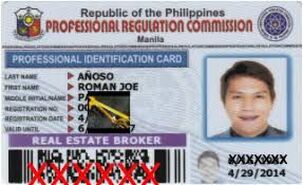
PRC Licensed Real estate Broker Roman Joe Anoso
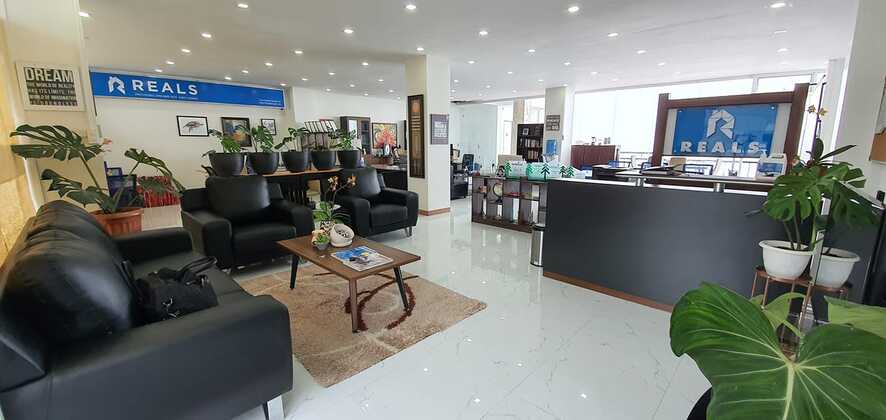
office address: REALS Corporation, Barangay Dontogan, Baguio city, 2600
personal: +63917-5645-863
viber/whatsapp: +63917-5645-863
add him on facebook (CLICK HERE)
office landline: 074-442-2353 (for clearer conversation)
email: [email protected]
skype: romankat2
website: www.realestatebaguio.com
personal: +63917-5645-863
viber/whatsapp: +63917-5645-863
add him on facebook (CLICK HERE)
office landline: 074-442-2353 (for clearer conversation)
email: [email protected]
skype: romankat2
website: www.realestatebaguio.com